
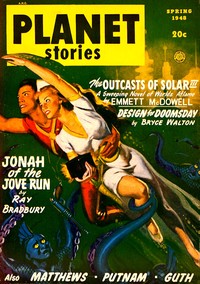
Space-Trap at Banya Tor by W. J. Matthews
I picked up this old paperback mostly because of the fantastic, pulpy title and the cover art of a swirling vortex over a gloomy castle. I'm so glad I did. W. J. Matthews crafts a story that feels both timeless and distinctly of its era—a thoughtful, psychological sci-fi thriller that gets under your skin.
The Story
The plot follows Dr. Alan Craig, who joins a small research team on Banya Tor, a bleak, rocky island in the North Atlantic. They're there to investigate powerful and anomalous electromagnetic readings. Things start off strange and get stranger fast. Equipment fails unpredictably. Team members have vivid, shared hallucinations. They discover bizarre, non-terrestrial artifacts buried in the peat. Soon, they realize the island's core isn't just emitting energy—it's a kind of wound in space, a dormant trap set by an unfathomable intelligence eons ago. And it's starting to wake up. The story becomes a desperate fight for survival, not against a monster, but against the environment and their own unraveling sanity as the trap's influence grows.
Why You Should Read It
What really hooked me was the atmosphere. Matthews makes you feel the cold sea spray, the howling wind, and the oppressive weight of the island's secret history. The characters aren't action heroes; they're smart, flawed people trying to apply logic to something utterly illogical. The slow reveal of the trap's true nature—and its purpose—is brilliantly done. It's less about 'aliens invading' and more about cosmic archaeology gone horribly wrong. The book explores great themes about human curiosity, the limits of science, and the terror of confronting something so ancient it views humanity as a brief flicker.
Final Verdict
Space-Trap at Banya Tor is perfect for readers who love classic, idea-driven science fiction with a heavy dose of psychological suspense. If you enjoy the works of John Wyndham (think The Day of the Triffids), the eerie isolation of Algernon Blackwood's The Willows, or the 'big dumb object' mysteries of Arthur C. Clarke, this will be your jam. It's a gripping, smart, and genuinely unsettling page-turner that proves a great sci-fi concept doesn't need a galaxy to feel enormous—sometimes a single, lonely island is more than enough.
This title is part of the public domain archive. It serves as a testament to our shared literary heritage.
Ashley Thomas
11 months agoWhile browsing through various academic sources, the structural organization allows for quick referencing of key points. This has become my go-to guide for this specific topic.
Susan Miller
7 months agoHaving explored several resources on this, I find that it addresses the common misconceptions in a very professional manner. This is a solid reference for both beginners and experts.
Christopher Williams
9 months agoGiven the current trends in this field, the step-by-step breakdown of the methodology is extremely helpful for students. I am looking forward to the author's next publication.
Jennifer Jones
1 year agoWhile browsing through various academic sources, the logic behind each conclusion is easy to follow and verify. I appreciate the effort that went into this curation.


Joseph Thompson
2 months agoThe citations provided are a goldmine for further academic study.