
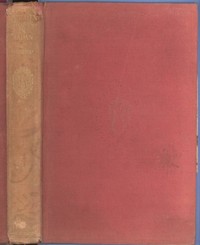
Unbeaten Tracks in Japan by Isabella L. Bird
Isabella Bird was an unlikely adventurer. Often confined to bed by back problems in England, she found her strength on horseback in far-flung corners of the world. In 1878, she arrived in a Japan that was just opening to the West after centuries of isolation. Most foreigners stuck to the approved treaty ports like Yokohama. Not Bird. She hired a young interpreter and set off north, aiming for the remote island of Hokkaido and the lands of the indigenous Ainu people.
The Story
This isn't a plotted novel, but the journey itself creates the narrative. Through a series of vivid letters to her sister, Bird describes climbing treacherous mountain passes, getting caught in violent storms, and navigating landscapes so foreign there were no maps for them. She stays in rough peasant homes, battling relentless insects and questionable sanitation. The people she meets range from deeply hospitable to openly hostile, as her very presence was a spectacle. The heart of her trip is her time with the Ainu, who she describes with a surprising lack of the era's common prejudice, focusing on their culture, dignity, and struggles.
Why You Should Read It
Bird's voice is what makes this special. She's tough, funny, and brutally honest. One minute she's complaining about the 'villainous' fleas, and the next she's painting a breathtaking word-picture of a misty valley. She was a keen observer, noting everything from farming methods and food prices to religious customs and social hierarchies. You get a raw, ground-level view of a Japan in the throes of massive change, seen through the eyes of a woman who was herself breaking every social rule. Her resilience is inspiring, and her occasional cultural missteps are a honest reminder of the time she lived in.
Final Verdict
Perfect for armchair travelers, history lovers, and anyone who enjoys a true story with a fiercely independent protagonist. If you liked Cheryl Strayed's 'Wild' or Bill Bryson's witty observations, you'll find a kindred spirit in Isabella Bird—just with more horses and fewer granola bars. It's a fascinating, sometimes gritty, portrait of a world that vanished the moment she rode through it.
No rights are reserved for this publication. It is now common property for all to enjoy.
Karen Perez
7 months agoThe digital index is well-organized, making research much faster.




Emily White
1 month agoFinally found a version that is easy on the eyes.